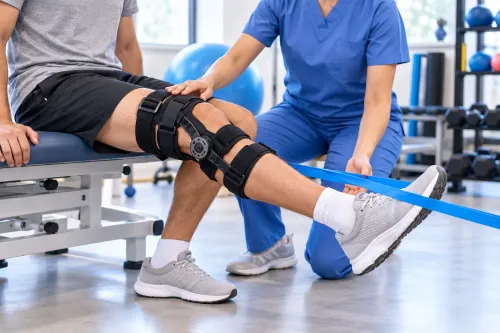
Lower back pain affects people of all ages, from office professionals and drivers to athletes and senior citizens. While occasional soreness may resolve with rest, persistent or recurring pain deserves proper evaluation. Delaying treatment can allow minor issues to develop into long-term movement problems.
People searching for Disc Pain and Lumbar Pain Treatment in Rohini often want to understand why the pain occurs, how it is diagnosed, and which treatment options may support recovery.
What Is Lumbar Pain?
The lumbar spine forms the lower portion of the back and supports much of the body's weight. It also allows bending, lifting, twisting, and walking.
Pain in this region may arise from:
- Muscles
- Ligaments
- Intervertebral discs
- Facet joints
- Nerves
- Degenerative changes
Because several structures can produce similar symptoms, professional assessment is important.
Understanding Disc Problems
Intervertebral discs act as cushions between spinal bones.
With age, repetitive strain, poor posture, or injury, discs may undergo changes such as:
- Bulging
- Herniation
- Degeneration
These changes may place pressure on nearby nerves, leading to pain that sometimes radiates into the legs.
Not every disc abnormality requires surgery, and imaging findings should always be interpreted alongside clinical symptoms.
Common Symptoms
People experiencing lumbar or disc-related pain may notice:
- Persistent lower back pain
- Pain while sitting
- Difficulty standing for long periods
- Pain during bending
- Leg pain
- Numbness
- Tingling sensations
- Muscle weakness
- Reduced flexibility
Symptoms vary depending on the affected spinal structures.
Factors That Increase Risk
Several everyday habits contribute to lumbar problems.
These include:
- Long working hours at a desk
- Poor sitting posture
- Heavy lifting
- Obesity
- Weak core muscles
- Lack of physical activity
- Smoking
- Repetitive bending
Improving these factors often supports long-term recovery.
How Physiotherapy Helps
Conservative management remains the preferred approach for many lumbar conditions.
Treatment may include:
- Pain management techniques
- Manual therapy
- Core strengthening
- Flexibility exercises
- Nerve mobilisation
- Postural correction
- Functional movement training
These interventions aim to reduce pain while improving spinal stability.
Why Core Strength Matters
The abdominal and back muscles provide important support for the spine.
Weak core muscles can increase stress on spinal structures during everyday activities.
Targeted strengthening exercises help improve:
- Balance
- Stability
- Posture
- Functional movement
- Confidence during activity
Exercises should be progressed gradually under professional guidance.
Preventing Future Episodes
Although back pain can recur, healthy habits significantly reduce risk.
Helpful practices include:
- Maintaining healthy posture
- Taking movement breaks during work
- Using proper lifting techniques
- Exercising regularly
- Maintaining a healthy weight
- Sleeping on appropriate mattresses
- Performing prescribed home exercises
Consistency often matters more than intensity.
When Immediate Medical Assessment Is Needed
Some symptoms require urgent evaluation.
These include:
- Sudden severe weakness
- Loss of bladder or bowel control
- Severe trauma
- Fever associated with back pain
- Progressive numbness
These situations require prompt medical attention.
Finding Evidence-Based Care in Rohini
Many residents across Rohini and nearby areas seek physiotherapy before considering invasive treatment options. Providers such as Back In Motion – Dr. Sajal Agarwal, Physiotherapist combine physical assessment with customised rehabilitation plans designed to improve movement, reduce discomfort, and help patients return to everyday activities safely.
Keywords