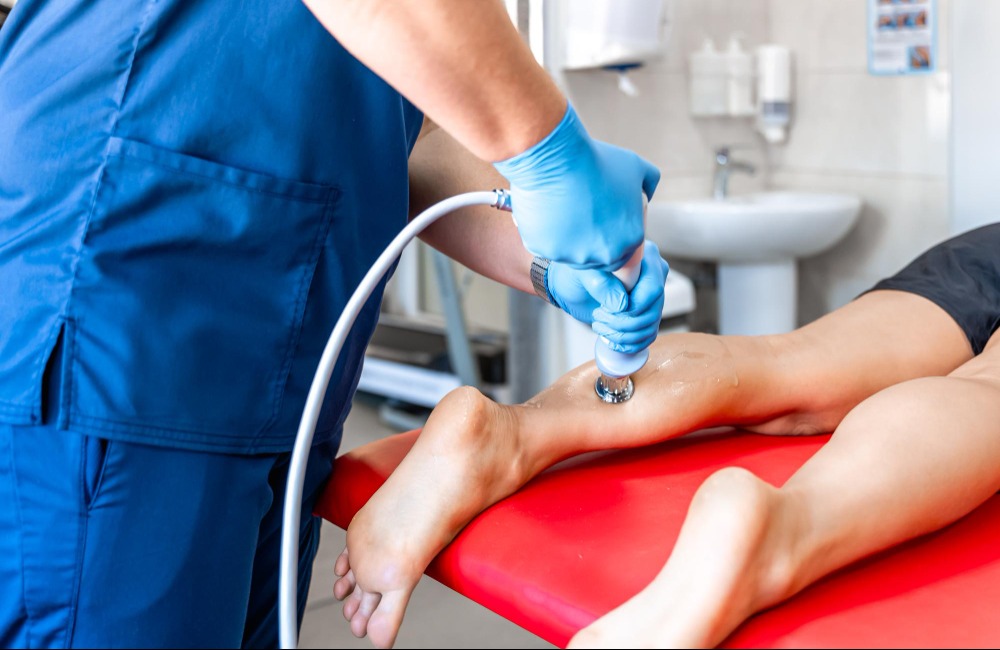
Persistent tendon or heel pain can become frustrating when rest, medication, and basic home exercises provide limited improvement. Extracorporeal shockwave therapy is a non-invasive modality sometimes considered for chronic musculoskeletal conditions.
Patients exploring extracorporeal shockwave therapy in Pitampura should first confirm that the diagnosis is suitable for ESWT. The treatment is not intended for every kind of pain.
What ESWT Involves
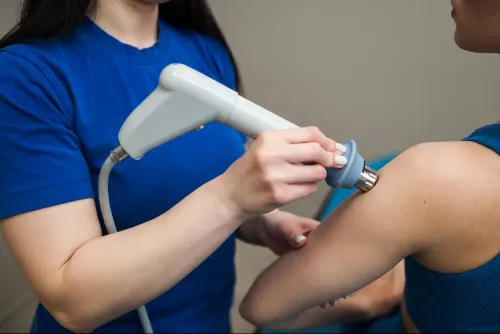
Extracorporeal shockwave therapy delivers acoustic waves to a targeted area from outside the body. Depending on the system, treatment may use focused or radial energy.
The clinician identifies the treatment area and adjusts the settings according to the condition and patient tolerance. A session may produce tapping sensations or temporary discomfort. Some patients also experience short-term soreness afterwards.
Conditions Commonly Considered
ESWT may be evaluated for selected persistent tendon and soft-tissue conditions, such as:
- Plantar fasciitis
- Tennis elbow
- Certain forms of Achilles tendinopathy
- Patellar tendinopathy
- Calcific shoulder tendinopathy
- Other chronic tendon-related pain
This list does not mean that every patient with these conditions requires shockwave therapy. Symptoms, duration, previous care, examination findings, and contraindications must be considered.
Signs That an Assessment May Be Appropriate
A patient may discuss ESWT with a physiotherapist when the diagnosis has been reasonably established, symptoms have continued despite suitable conservative care, and the condition is limiting work, walking, or sport.
Before proceeding, the provider should determine whether the patient has completed an appropriate exercise programme. If load management and progressive strengthening have not been addressed, relying only on ESWT may leave important contributing factors untreated.
Who May Not Be Suitable?
Suitability screening is essential. Shockwave therapy may be inappropriate in certain situations involving pregnancy, blood-clotting problems, anticoagulant use, infection, malignancy in the treatment area, open wounds, or proximity to vulnerable structures.
The exact precautions depend on the treatment location, device, medical history, and clinical guidance. Patients should disclose medication and health conditions before treatment.
Pain after a fracture, major trauma, or unexplained swelling also requires proper diagnosis rather than immediate shockwave application.
ESWT Is Not the Same as a Guaranteed Cure
Patients should be cautious of promises that one session will permanently resolve chronic pain. Recovery varies according to the condition, symptom duration, tissue health, activity demands, and adherence to rehabilitation.
A complete programme may include:
- Temporary modification of aggravating activities
- Progressive tendon or muscle loading
- Mobility exercises where needed
- Footwear or equipment guidance
- Technique correction
- Gradual return to work or sport
ESWT may support this process, but it does not replace it.
Choosing a Provider Near Pitampura
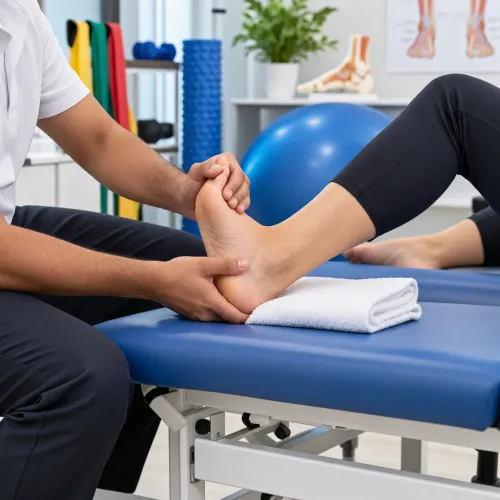
Ask whether the physiotherapist will perform an assessment, explain the type of shockwave therapy being used, screen for contraindications, and track functional outcomes.
Convenient access also matters because persistent conditions may require multiple visits and continued exercise supervision. Back In Motion, Dr. Sajal Agarwal, Physiotherapist, provides extracorporeal and focused shockwave therapy from its clinic in Rohini, serving patients from nearby Pitampura and North Delhi.
Extracorporeal shockwave therapy in Pitampura may be a reasonable option for selected chronic musculoskeletal conditions. The safest decision is made after diagnosis, suitability screening, and discussion of realistic expectations. When ESWT is combined with progressive rehabilitation, treatment can address both symptoms and the physical capacity required for lasting function.
Keywords