Pain and stiffness can turn standing from a chair, climbing stairs, bathing, dressing or gripping a cup into demanding tasks. By the end, you will know which symptoms need medical review, how physiotherapy restores useful movement and how to combine exercise with medication, weight management, aids or other care safely.
Key takeaways
- Seek medical review for sudden swelling, heat, injury or rapidly worsening pain.
- A movement assessment identifies painful tasks, stiffness, weakness and joint-loading habits.
- Start with tolerable exercise and progress gradually to avoid a prolonged flare.
- Compare physiotherapy with medicines, weight management, aids and surgery based on your needs.
Why arthritis changes ordinary movements—and when pain needs medical review
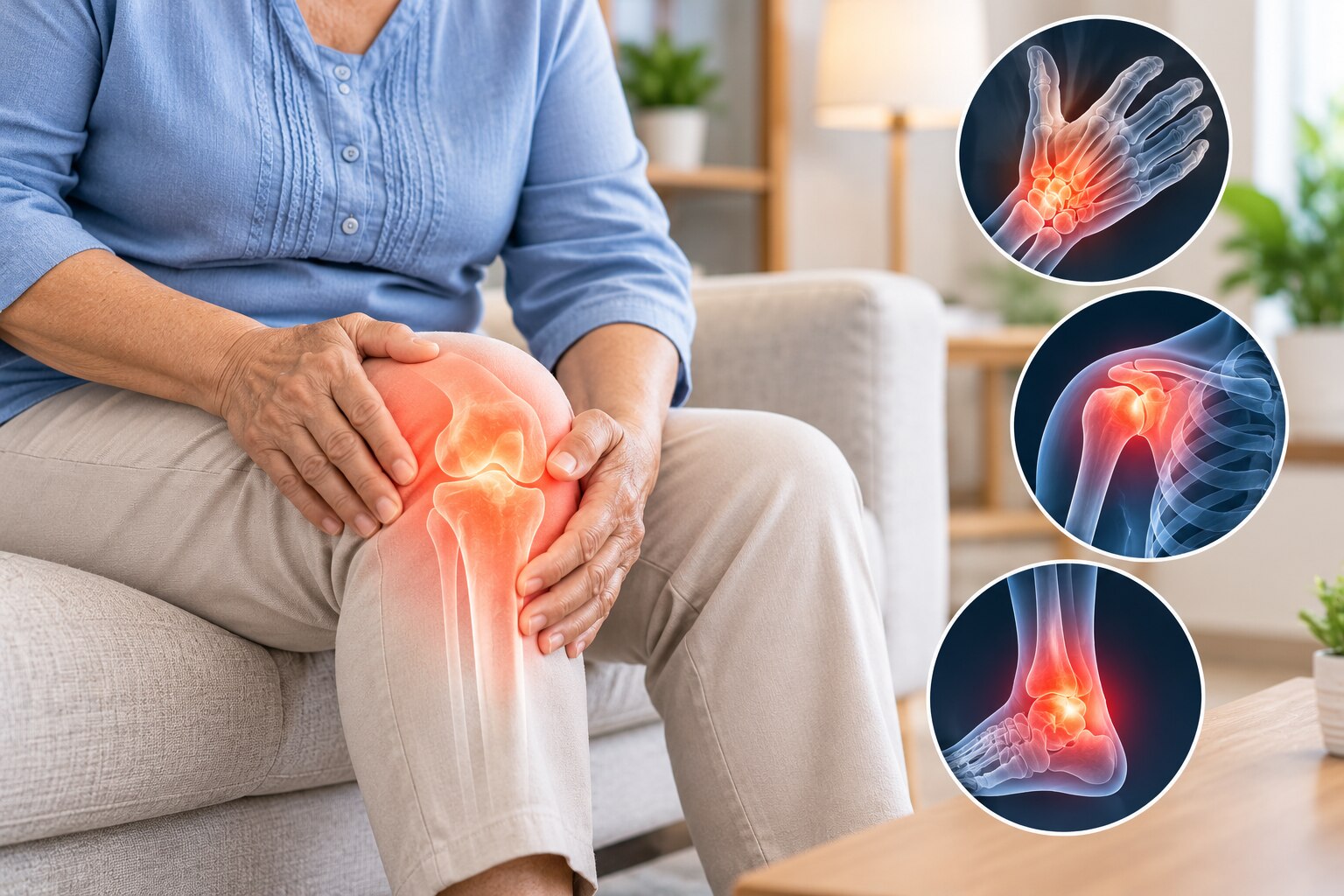
Pain changes movement by making you protect the joint. You may push with your arms to rise from a chair, shorten your walking stride, avoid stairs, or move cautiously in a bath. Finger, wrist or thumb pain can make dressing, turning taps and gripping a cup difficult.
Activity-related stiffness that eases as you move differs from prolonged morning stiffness, which points more strongly to inflammation.
| Condition | Typical pattern | Why the approach differs |
|---|---|---|
| Osteoarthritis | Pain linked to loading, with brief stiffness | Progressive strengthening, mobility and task practice target function |
| Rheumatoid arthritis | Prolonged morning stiffness, multiple swollen joints and fatigue | Medical assessment and disease control must accompany exercise |
| Gout | Sudden severe pain, swelling and warmth, often in one joint | Acute treatment and assessment for crystal arthritis come first |
| Post-injury arthritis | Pain and weakness after fracture, ligament or cartilage damage | Rehabilitation must reflect the original injury, stability and joint damage |
Other inflammatory, infectious or metabolic joint conditions can resemble these patterns. That is why arthritis pain treatment for movement problems should begin with diagnosis, not a generic exercise routine.
Seek prompt medical attention for a hot, visibly swollen joint with fever or feeling very unwell; sudden inability to bear weight; severe injury; unexplained weight loss; or rapidly worsening function. Prolonged morning stiffness with several swollen joints also needs review. Do not manage these signs through routine exercise alone.
What happens during an assessment for arthritis-related movement problems
A useful assessment identifies what limits movement and whether arthritis is the correct explanation before exercise begins. The physiotherapist asks about symptom onset, pain pattern, affected joints, morning stiffness, swelling, previous injuries, daily limitations, medical conditions and current medicines, including steroids, anticoagulants and painkillers.
1. You perform movement tests for each affected joint, such as bending the knee, lifting the shoulder or gripping. Strength testing shows whether weak muscles are adding strain, while balance and walking observation reveal instability, limping or difficulty changing direction.
2. The joint examination checks tenderness, warmth, swelling, visible changes and available range of motion. Functional tasks connect these findings to real life: a sit-to-stand test, stair test, short walk, dressing movement or hand-grip task can show exactly where function breaks down.
3. The physiotherapist compares your symptoms with the findings and sets measurable goals, such as standing from a chair or walking farther. Physiotherapy for arthritis pain becomes safer when the plan reflects your diagnosis, medicines and daily demands rather than a generic exercise sheet.
Medical review comes first if persistent morning stiffness affects multiple joints, several joints are swollen, symptoms are rapidly worsening or you feel unwell. A hot, visibly swollen joint with fever needs urgent assessment. Sudden severe pain, inability to bear weight or a significant injury also requires prompt review.
Ask your doctor about blood tests for inflammatory arthritis or gout, and imaging such as an X-ray for suspected fracture or joint damage. Infection, crystal arthritis or another diagnosis can change the treatment plan completely.
How physiotherapy rebuilds movement without provoking a prolonged flare
Physiotherapy rebuilds movement by making useful activity easier, not by forcing pain away. The plan targets the tasks you need: standing, walking, stairs, dressing, bathing and gripping.
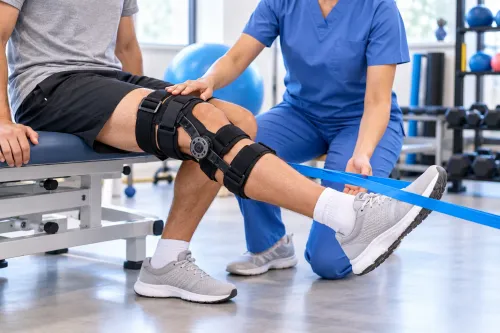
1. Start with a gradual warm-up and gentle range-of-motion exercises. Add strengthening for the muscles around the joint, aerobic conditioning such as walking or cycling, and rest intervals that keep effort manageable.
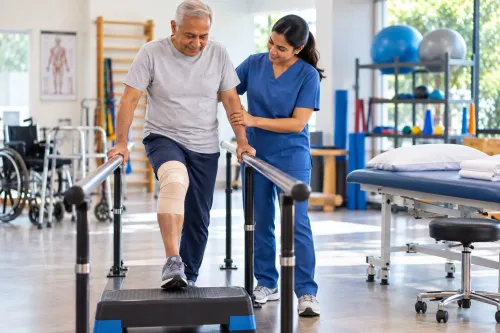
2. Practise balance, gait training and real tasks such as sit-to-stand, stair climbing or reaching. Modify activities by slowing the pace, using a chair or walking aid, and breaking demanding jobs into shorter sections.
3. Progress by function: walk farther, rise more easily or manage stairs with better control before adding resistance or duration. Mild discomfort that settles soon after exercise is acceptable.
Stop and reduce the load if you feel sharp pain, develop marked swelling, or remain worse into the next day; seek clinical or medical review when symptoms persist.
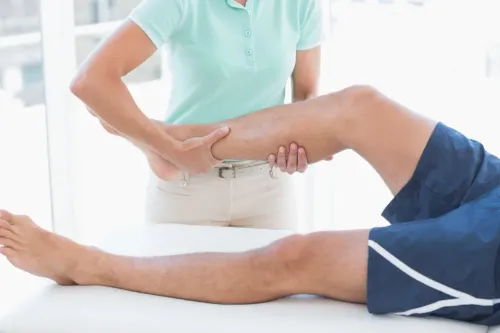
Heat or cold can provide short-term relief and make exercise more comfortable. Hands-on joint mobilisation can support movement, but it should serve the active programme rather than replace it.
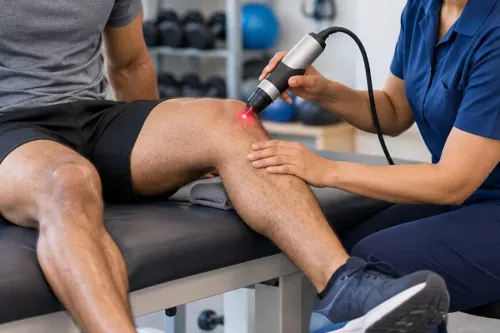
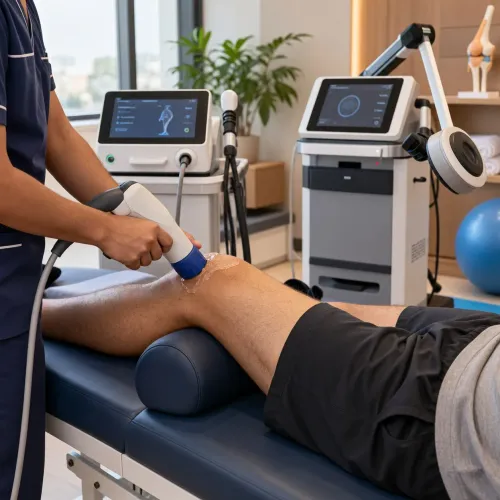
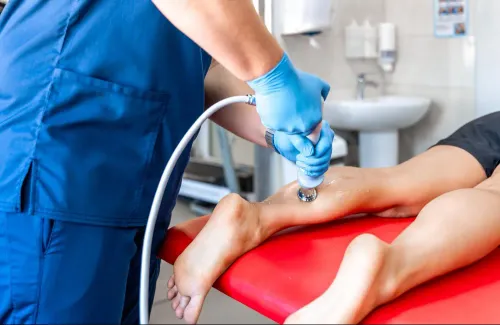
TENS, ultrasound, laser and short-wave treatment are passive options with insufficient routine benefit for osteoarthritis. They should not substitute for rehabilitation. Whether you search for arthritis physiotherapy Pitampura or care elsewhere, ask how exercise, home practice and functional progress—not a machine—will guide the plan.
How exercise compares with medicines, weight management, aids and surgery
Exercise is the foundation for knee, hip and hand osteoarthritis, not an optional add-on or a cure. A tailored programme improves strength, aerobic capacity and everyday function; continue and progress it after pain improves.
Weight loss also improves pain and function when you are overweight: losing 10% of body weight is likely to help more than losing 5%.
| Option | What it offers | Limits and safety |
|---|---|---|
| Exercise | Builds strength, mobility and function | Stop for sharp pain, marked swelling or next-day worsening; reduce the load and seek review |
| Weight management | Reduces load on painful weight-bearing joints | Requires sustained dietary and activity changes |
| Walking aid or brace | Can reduce lower-limb strain and improve mobility | Incorrect height or technique can cause wrist, shoulder or balance problems |
| Topical NSAID gel | Guideline-supported first-line medicine for knee osteoarthritis when appropriate | Check suitability with a clinician; it does not replace rehabilitation |
| Oral NSAID | Can reduce broader pain and inflammation | Review stomach, kidney, liver, heart, pregnancy and medicine risks before use |
| Injection or surgery | Options for selected persistent problems | Both require medical assessment, not self-selection |
Avoid complete rest, avoiding every painful movement, exercising through sharp pain, relying only on passive treatment, or stopping when pain first improves. Heat, hands-on treatment or other passive modalities can support exercise but should not become the whole plan.
For “joint stiffness treatment near me,” ask how progress will be measured. Do not change medication or supplements without your doctor or rheumatologist.
How to choose the right next step for local arthritis care
A nearby clinic is not automatically the right clinic. For a search such as arthritic pain treatment rohini, check whether the plan begins with diagnosis, safety and function rather than a standard package of passive treatments.
| Check | What to confirm | Why it matters |
|---|---|---|
| Diagnosis and safety | Referral or medical review for a hot, visibly swollen joint, fever, sudden inability to bear weight, severe injury, unexplained weight loss, or prolonged morning stiffness with several swollen joints | Infection, fracture, gout or inflammatory arthritis needs a different pathway |
| Functional problem | Which joints hurt and which tasks fail: chair rises, walking, stairs, bathing, dressing or gripping | Treatment should target measurable daily activities |
| Health information | Every medicine, supplement, pregnancy possibility and condition affecting the stomach, kidneys, liver, heart or bones | These details alter exercise and medication safety |
| Progress | How pain, walking distance, strength, range of motion or task performance will be recorded | You need evidence that the plan is helping |
Locality does not determine suitability. Back In Motion -Dr. Sajal Agarwal -Physiotherapist is one local option to consider if the assessment produces agreed goals, exercise remains the active component, and medical coordination is available when symptoms suggest inflammatory disease, medication risk or a need for blood tests or imaging.
Before booking, ask:
- What home exercises will I do, and how often?
- What should I change during a flare?
- How will you progress the programme?
- Can you fit and teach me to use a walking aid?
- When will we review progress, and what would trigger earlier medical review?
Related services
Arthritic Pain Treatment Trusted Arthritic Pain Treatment in Rohini- Dr. Sajal Agarwal Clinic Arthritis is a condition that causes inflammation and pain in the joints. View service → |
Knee Pain Treatment Reliable Knee Pain Treatment in Rohini- Dr. Sajal Agarwal Clinic Knee pain is a common condition that affects people of all ages, and it can be... View service → |
Frequently asked questions
When does arthritis pain need medical review?
Arrange medical review for sudden swelling, marked warmth or redness, pain after an injury, rapidly worsening symptoms, fever, unexplained weight loss or difficulty bearing weight. Review ongoing pain when it limits walking, stairs, dressing, gripping or sleep.
What happens during an assessment for arthritis-related movement problems?
A clinician asks about your pain pattern, stiffness, daily limitations, health history and previous treatment. They observe tasks such as walking, standing from a chair, using stairs or gripping, then assess joint movement, strength, balance and pain response to plan treatment.
How can physiotherapy help arthritis pain without causing a prolonged flare?
Physiotherapy starts with movements you can tolerate, then builds strength, joint mobility, balance and task confidence gradually. Your therapist adjusts repetitions, resistance and recovery time when pain or swelling remains elevated after exercise.
How does exercise compare with medicines, weight management, aids and surgery?
Exercise targets strength, mobility and function; medicines can reduce symptoms but require medical guidance. Weight management can reduce load on weight-bearing joints, aids can make tasks safer, and surgery is considered when severe joint damage and persistent disability remain despite non-surgical care.
How do I choose the right next step for local arthritis care?
Choose care based on the joint involved, symptom severity, movement limits, medical history and goals. Ask whether the provider will assess your everyday tasks, set measurable progress targets and coordinate medical review when symptoms fall outside routine physiotherapy.
Keywords