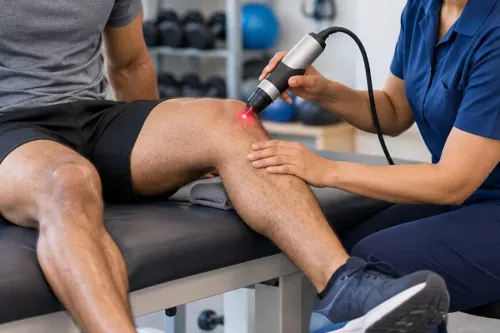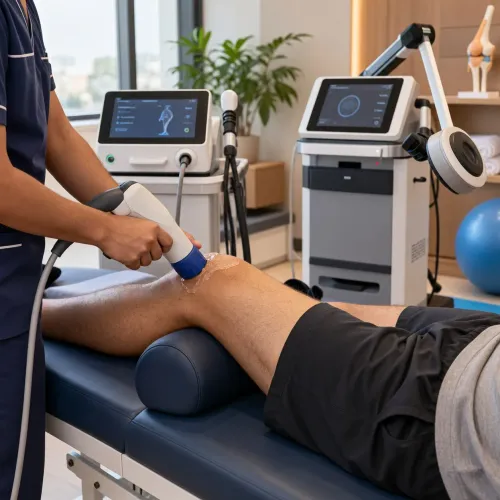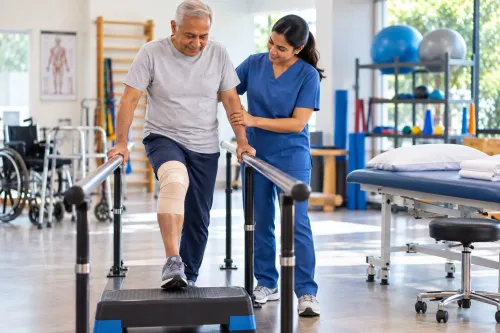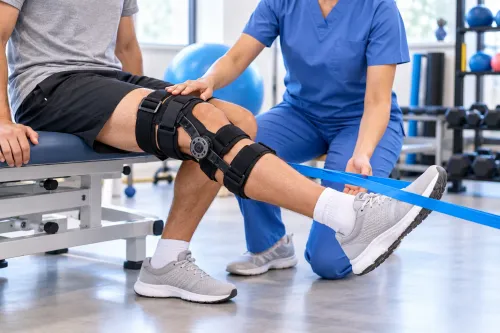
Joint replacement surgery can reduce severe pain and improve mobility, but the operation is only one part of recovery. Physiotherapy helps patients regain movement, rebuild strength, practise walking, and return gradually to everyday activities.
Knee and hip replacement physiotherapy in Pitampura should follow the surgeon’s instructions while adapting exercises to the patient’s age, health, pre-surgery ability, and home environment.
Rehabilitation May Begin Before Surgery
Pre-operative physiotherapy can help patients understand the exercises, walking aids, and precautions they may encounter after surgery. Improving available strength before the procedure may also make early rehabilitation easier.
A pre-surgery consultation may cover:
- Safe use of a walker or crutches
- Basic strengthening exercises
- Breathing and circulation exercises
- Transfers from bed and chair
- Preparation of the home
- Realistic recovery milestones
Patients can also arrange support for meals, transport, and household activities during the early recovery period.
Early Priorities After Joint Replacement
The hospital team usually begins movement according to the surgeon’s protocol. Early physiotherapy may focus on circulation, safe transfers, walking with an assistive device, and gentle exercises.
After knee replacement, regaining knee extension and gradually improving bending are commonly important goals. After hip replacement, the patient may need to observe movement precautions depending on the surgical approach and medical instructions.
Pain and swelling can affect performance, but exercises should not be abandoned without discussing symptoms with the treating team.
What Home-Based Recovery Should Address
Once discharged, patients need a structured routine that balances exercise with rest. The programme may include:
- Joint mobility exercises
- Quadriceps and hip strengthening
- Walking progression
- Balance training
- Stair practice
- Functional activities
- Swelling-management guidance
The physiotherapist should teach correct technique and explain how to progress safely.
Signs of Positive Progress
Recovery varies, so patients should avoid comparing themselves with neighbours or relatives who underwent similar surgery.
Useful progress indicators include:
- Safer transfers
- Improved walking pattern
- Better joint movement
- Increasing muscle strength
- Reduced dependence on assistance
- Greater confidence on stairs
- Improved ability to complete daily tasks
The decision to stop using a walking aid should be based on safety and walking quality rather than impatience.
Warning Signs Should Not Be Ignored
Patients must follow the discharge instructions given by the surgical team. Prompt medical attention may be required for increasing wound redness, discharge, fever, marked calf pain, sudden breathlessness, chest pain, rapidly worsening swelling, or a sudden loss of function.
Physiotherapy should not continue routinely when symptoms suggest a possible post-operative complication. Medical clearance takes priority.
Selecting a Physiotherapist
Patients and families should ask whether the physiotherapist has experience with post-operative orthopaedic rehabilitation and will coordinate treatment with the surgeon’s protocol.
Practical considerations also matter. An elderly patient may initially need home-based physiotherapy if travelling from Pitampura is difficult. Once mobility improves, clinic-based sessions may provide access to additional equipment and more advanced functional training.
Back In Motion, Dr. Sajal Agarwal, Physiotherapist, offers post-operative rehabilitation for patients from Rohini, Pitampura, and surrounding areas of Delhi. The programme can be adjusted according to surgical guidance and the patient’s functional goals.
Knee and hip replacement physiotherapy in Pitampura should help patients move from protected early activity towards greater independence. Consistent exercises, safe walking practice, regular reassessment, and attention to warning signs can make the rehabilitation process more organised and confidence-building.
Keywords