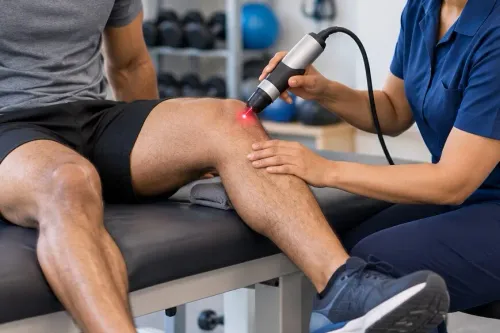
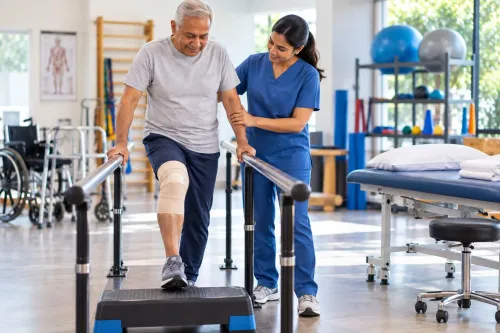
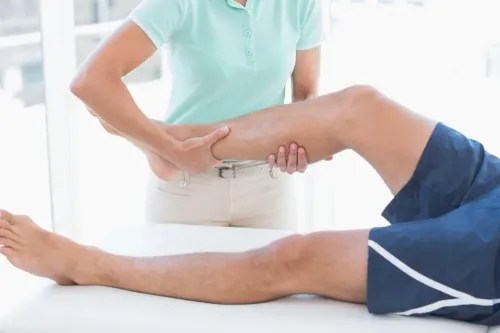
Persistent tendon pain can interfere with work, exercise, and daily life. When symptoms continue despite rest and basic treatment, healthcare providers may consider advanced physiotherapy techniques such as Extracorporeal Shockwave Therapy (ESWT) as part of a comprehensive rehabilitation programme.
Individuals searching for Extracorporeal Shockwave Therapy in Pitampura are often dealing with chronic pain that has not responded fully to conventional approaches.
What Is Extracorporeal Shockwave Therapy?
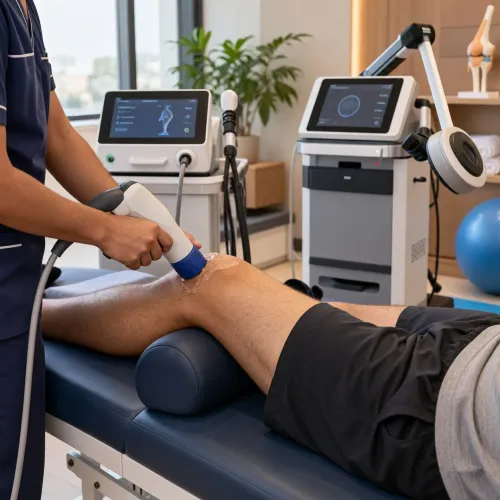
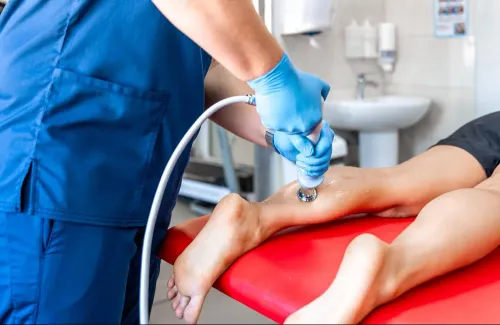
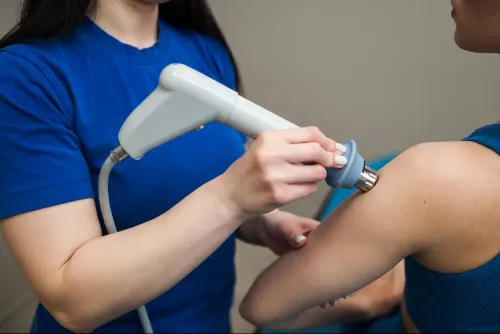
Extracorporeal Shockwave Therapy uses controlled acoustic waves delivered to injured tissues. These mechanical waves stimulate biological responses that may assist tissue healing and pain reduction.
The treatment is non-surgical and performed without injections or incisions.
Conditions Commonly Treated
ESWT is frequently considered for chronic tendon-related conditions such as:
- Plantar fasciitis
- Tennis elbow
- Golfer's elbow
- Achilles tendinopathy
- Patellar tendinopathy
- Calcific shoulder tendinitis
- Chronic heel pain
Suitability depends on proper clinical diagnosis.
Why Chronic Tendon Problems Develop
Unlike sudden injuries, tendon disorders often develop gradually because of repeated stress.
Contributing factors include:
- Repetitive movements
- Overtraining
- Muscle weakness
- Poor biomechanics
- Inadequate recovery
- Age-related tendon changes
Addressing these underlying causes is an essential part of treatment.
What Happens During Treatment?
A physiotherapist identifies the affected tissue before applying acoustic waves through a handheld device.
Patients may notice:
- Mild temporary discomfort during treatment
- Short treatment sessions
- No surgical wounds
- Immediate return to most routine activities
Protocols vary depending on the specific condition.
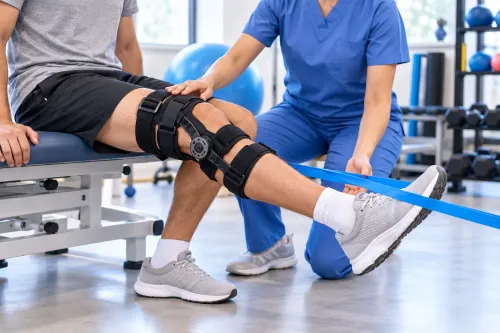
Why Exercise Still Matters
Shockwave therapy is only one component of rehabilitation.
Long-term improvement often depends on:
- Progressive strengthening
- Load management
- Flexibility training
- Movement correction
- Activity modification
These measures help restore tendon capacity and reduce future injury risk.
Expected Recovery
Some patients improve gradually over several weeks as tissue healing progresses.
Factors influencing recovery include:
- Duration of symptoms
- Overall fitness
- Compliance with rehabilitation
- Severity of tendon damage
Following professional advice throughout the rehabilitation period supports better outcomes.
When to Consider Professional Evaluation
Consult a physiotherapist if tendon pain:
- Persists for several months
- Returns repeatedly
- Limits sports participation
- Affects work performance
- Does not improve with rest
Early diagnosis helps determine whether advanced physiotherapy techniques are appropriate.
Advanced Physiotherapy in Pitampura
Residents of Pitampura increasingly seek modern rehabilitation methods for stubborn tendon injuries. Back In Motion – Dr. Sajal Agarwal, Physiotherapist combines evidence-based therapies such as Extracorporeal Shockwave Therapy with functional rehabilitation programmes that address both pain and the mechanical factors contributing to long-term recovery.
Keywords