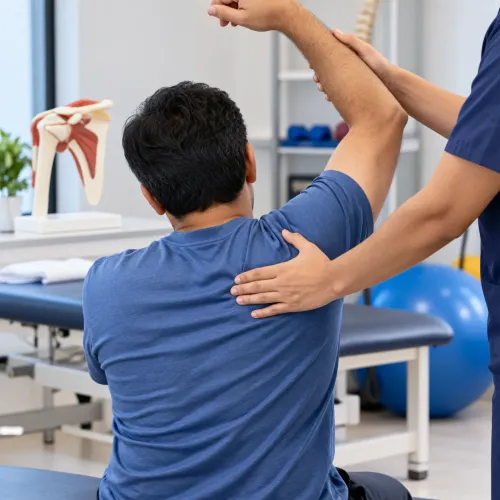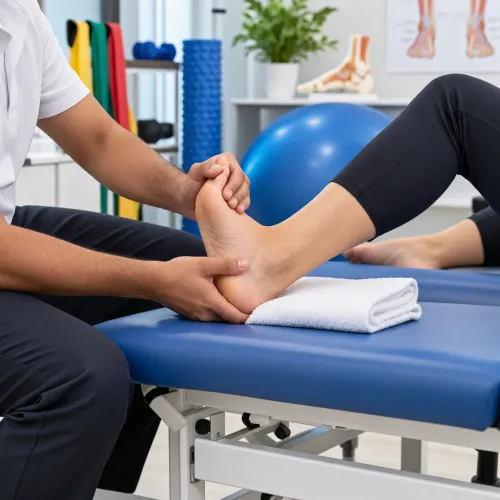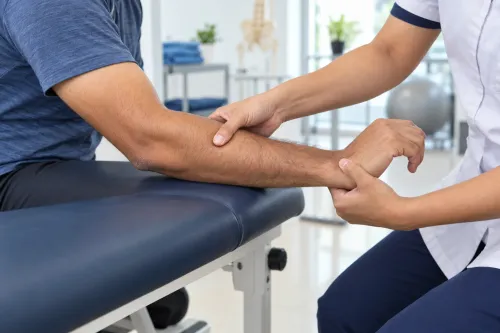
People with persistent musculoskeletal pain are often interested in treatments that do not involve injections or surgery. Class 4 laser therapy is one technology used in some physiotherapy settings to support the management of selected soft-tissue and joint conditions.
Before choosing Class 4 laser therapy in Rohini, patients should understand what the treatment involves, when it may be considered, and why it should usually form part of a broader rehabilitation plan.
How Class 4 Laser Therapy Is Used
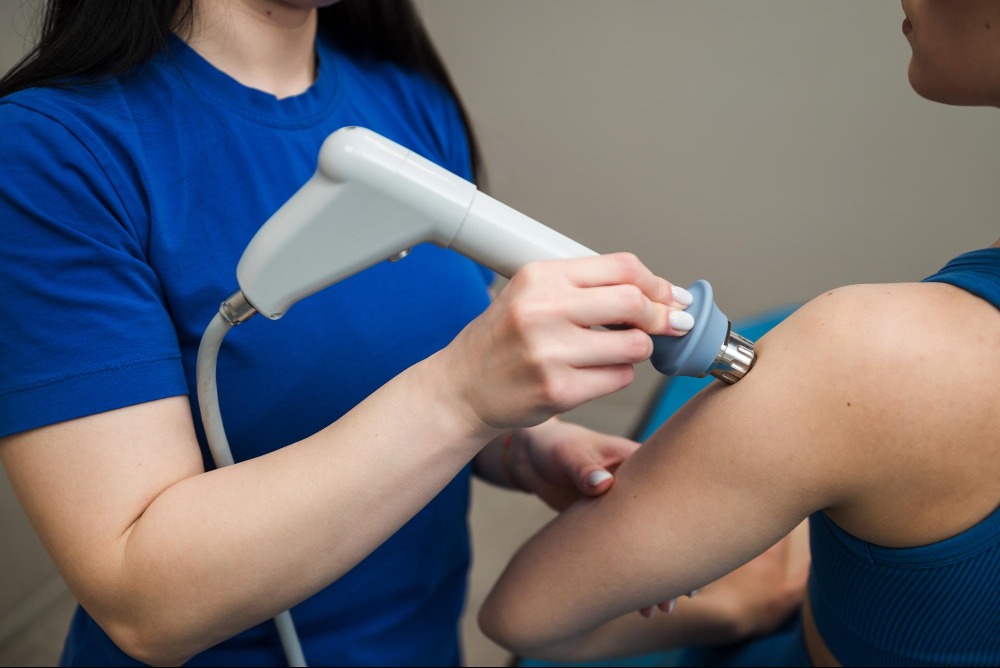
Class 4 therapeutic lasers deliver light energy to a targeted treatment area. The settings and application technique depend on the device, tissue depth, condition, and clinical objective.
Patients may feel mild warmth during treatment. Protective eyewear is required because direct exposure to laser light can harm the eyes. Treatment should therefore be administered by a trained professional following appropriate safety protocols.
Conditions That May Be Evaluated
A physiotherapist may consider laser therapy in the management of certain musculoskeletal problems, including tendon pain, muscle injuries, joint-related discomfort, or post-operative rehabilitation. Suitability cannot be determined from the condition’s name alone.
The decision should account for:
- Accurate diagnosis
- Location and depth of the affected tissue
- Stage of injury
- Skin condition
- Medical history
- Medication
- Contraindications
- Wider rehabilitation needs
Patients should not assume that a more powerful device automatically produces a better clinical result.
Questions to Ask Before Treatment
A responsible consultation should give patients clear answers to several questions:
- What condition is being treated?
- Why is laser therapy appropriate for this condition?
- What outcome is expected?
- How will progress be evaluated?
- What exercises or activity changes are also required?
- Are there reasons the treatment should be avoided?
If the only explanation is that the machine provides fast relief, the treatment plan may be incomplete.
Laser Therapy Should Not Replace Rehabilitation
Pain reduction can make movement and exercise more manageable, but it does not automatically restore strength, balance, mobility, or tissue capacity.
For example, a runner with tendon pain may still require progressive loading and training modification. A patient recovering after knee surgery may need movement restoration, muscle strengthening, walking practice, and balance work.
The technology should support these goals rather than distract from them.
Safety and Suitability Matter
Laser therapy is not appropriate over every body area or for every patient. Precautions may relate to pregnancy, malignancy, photosensitivity, certain medications, active bleeding, eye exposure, or other medical factors.
Patients should provide a complete medical history and inform the physiotherapist about ongoing treatment. Any unexplained swelling, severe night pain, fever, or rapidly worsening symptoms should be medically evaluated before routine modality-based care.
What a Complete Clinic Visit Should Include
A suitable appointment for Class 4 laser therapy in Rohini should involve more than entering the clinic and receiving machine treatment. It should include clinical assessment, explanation of findings, suitability screening, goal setting, and guidance about activity.
Back In Motion, Dr. Sajal Agarwal, Physiotherapist, lists Class 4 laser therapy among its physiotherapy services in Rohini. The clinic also provides exercise-based and orthopaedic rehabilitation, allowing the modality to be considered within a wider treatment programme.
Class 4 laser therapy may be useful for selected patients, but responsible use depends on diagnosis, correct dosage, safety precautions, and integration with active rehabilitation. Patients should choose a provider who explains both the potential role and the limitations of the treatment clearly.
Keywords