Modern physiotherapy is not defined by the number of machines available in a clinic. It is defined by how effectively clinical assessment, therapeutic exercise, patient education, and suitable technology are combined to address an individual’s condition.
Patients searching for an advanced physiotherapy clinic in Pitampura should evaluate the complete rehabilitation process rather than choosing treatment based on a single technique.
Assessment Remains the Foundation
Advanced equipment cannot replace a physical examination. Before treatment begins, the physiotherapist should understand the patient’s symptoms, medical history, mobility limitations, daily routine, and recovery goals.
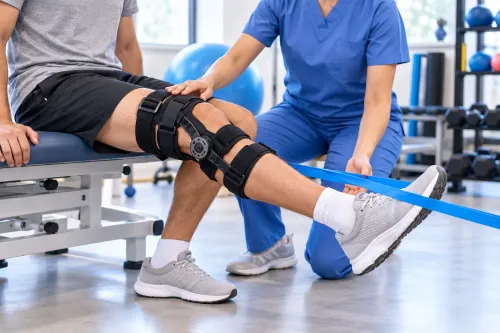
For a person with knee pain, assessment may include joint movement, swelling, muscle strength, balance, and walking mechanics. For someone with neck pain, the physiotherapist may examine posture, cervical mobility, shoulder function, nerve-related symptoms, and workstation habits.
This process determines whether physiotherapy is appropriate and which interventions may be useful.
Technology Should Have a Clear Purpose
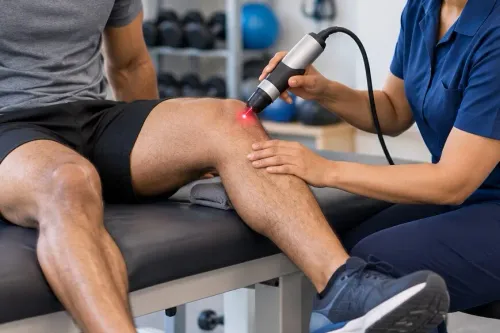
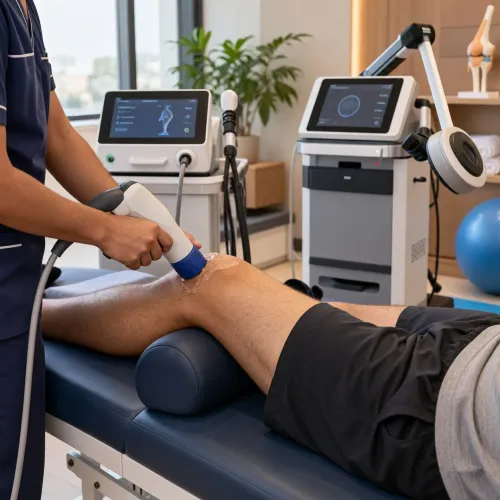
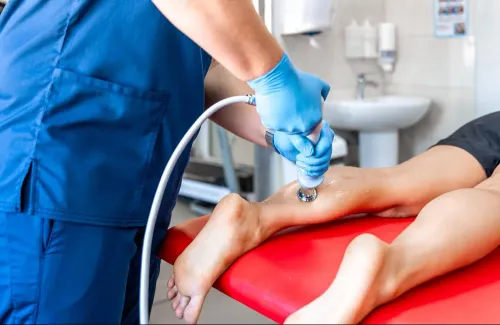
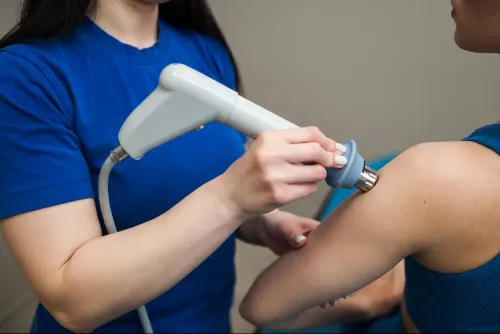
Contemporary rehabilitation clinics may offer technologies such as Class 4 laser therapy or extracorporeal shockwave therapy. These modalities may be considered for selected musculoskeletal conditions, but they should not be applied automatically to every patient.
Before recommending a modality, the physiotherapist should explain:
- Why it is being considered
- Which tissue or condition is being addressed
- What the patient may feel during treatment
- Whether any precautions apply
- How it fits into the wider rehabilitation plan
Technology is most meaningful when it supports a clinically reasoned programme rather than functioning as an isolated service.
Exercise Therapy Should Be Progressive
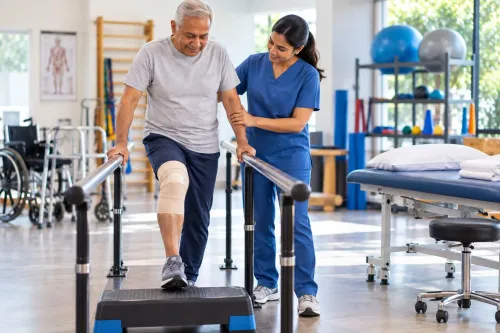
The body needs gradually increased physical demands to regain capacity. Advanced rehabilitation therefore includes exercises selected according to the patient’s current ability and progressed as movement improves.
A programme may address:
- Joint mobility
- Muscle activation
- Strength and endurance
- Balance and coordination
- Functional movement
- Sport-specific control
- Work-related physical demands
For example, reducing pain after an ACL injury is only one stage of recovery. The patient may also need quadriceps strength, single-leg stability, landing control, and confidence before returning to sport.
Manual Therapy Has a Supporting Role
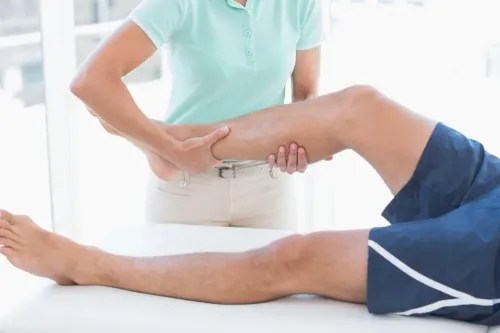
Hands-on techniques may sometimes be used to reduce stiffness, improve movement, or make exercise more comfortable. However, they should be chosen according to examination findings and followed by active rehabilitation where appropriate.
A patient who feels temporarily better after a session but receives no movement guidance may struggle to maintain improvement. An advanced approach connects short-term symptom management with long-term functional recovery.
Education Extends Treatment Beyond the Clinic
Patients spend far more time outside the clinic than inside it. Practical education can therefore influence recovery significantly.
Depending on the condition, advice may cover sitting posture, lifting technique, walking progression, activity modification, sleep position, footwear, exercise dosage, or preparation for returning to work.
Patients should also understand that avoiding every movement is not always helpful. Appropriate, graded activity can often be more beneficial than prolonged rest, although acute injuries and post-operative conditions may require specific precautions.
Look for Individual Attention and Reassessment
A suitable physiotherapy clinic should monitor whether the programme is working. Changes in pain, mobility, strength, walking tolerance, and daily function provide useful information.
Patients from Pitampura can also consider accessibility when choosing a clinic. A conveniently located rehabilitation provider in nearby Rohini may make regular attendance easier, particularly for elderly people and post-surgery patients.
An advanced physiotherapy clinic in Pitampura should offer more than equipment-based treatment. The strongest indicators of quality are thorough assessment, personalised exercise prescription, responsible use of technology, clear communication, and regular reassessment. These elements create a rehabilitation plan that responds to the patient instead of forcing the patient into a standard package.
Keywords