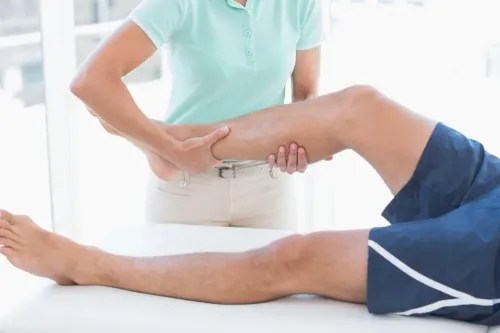
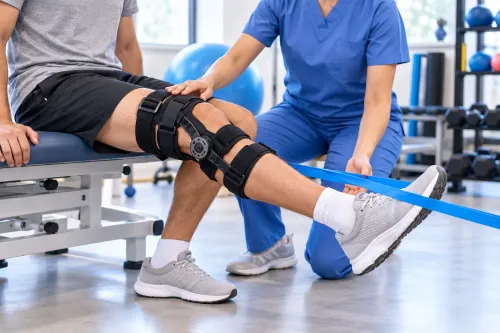
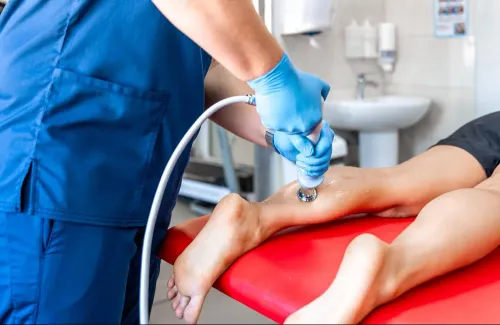
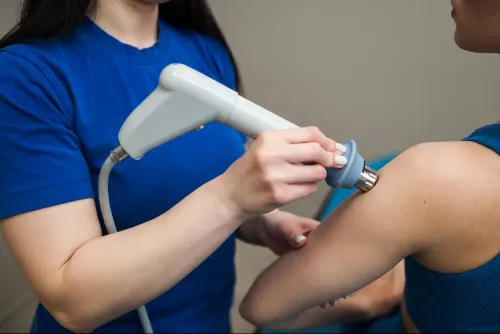
An ACL injury or ligament tear can significantly affect knee stability, making everyday activities such as walking, climbing stairs, or changing direction uncomfortable. These injuries are common among athletes, but they also occur during routine activities such as slipping, twisting the knee, or landing awkwardly after a jump.
People searching for ACL Injury and Ligament Tear Rehabilitation in Pitampura are often looking for guidance on recovery, rehabilitation timelines, and how physiotherapy supports a safe return to normal activities.
Understanding ACL and Ligament Injuries
Ligaments are strong bands of connective tissue that stabilise joints. The Anterior Cruciate Ligament (ACL) is one of the major stabilising ligaments inside the knee.
An injury may involve:
- Mild ligament stretching
- Partial tear
- Complete ligament rupture
The severity of the injury determines the rehabilitation approach.
Common Symptoms
An ACL or ligament injury may present with:
- A popping sensation during injury
- Immediate swelling
- Knee instability
- Difficulty walking
- Pain during weight-bearing
- Limited range of motion
- Difficulty changing direction
- Reduced confidence while moving
Not every knee injury involves the ACL, making an accurate diagnosis essential.
Why Rehabilitation Is Important
Whether treated surgically or non-surgically, rehabilitation plays a critical role in restoring knee function.
A structured programme helps improve:
- Joint stability
- Muscle strength
- Knee mobility
- Balance
- Coordination
- Functional movement
The objective is not only pain reduction but also restoring safe movement patterns.
Rehabilitation After ACL Surgery
Patients recovering from ACL reconstruction typically progress through different rehabilitation phases.
These often include:
- Managing pain and swelling.
- Restoring knee movement.
- Strengthening surrounding muscles.
- Improving balance and control.
- Functional movement training.
- Sport-specific rehabilitation where appropriate.
Each stage is progressed according to clinical milestones rather than fixed timelines.
Non-Surgical Rehabilitation
Some ligament injuries may not require surgery.
Conservative management may include:
- Strengthening exercises
- Neuromuscular training
- Movement retraining
- Functional exercises
- Activity modification
The rehabilitation programme depends on the type of injury and the patient's activity level.
Mistakes That Delay Recovery
Recovery may take longer when patients:
- Return to sports too early
- Ignore prescribed exercises
- Stop physiotherapy after pain reduces
- Avoid movement because of fear
- Overload the knee prematurely
Consistency remains one of the most important factors during rehabilitation.
Returning to Sports Safely
Athletes often feel eager to resume training quickly. However, returning before adequate recovery increases the likelihood of re-injury.
A physiotherapist evaluates:
- Strength symmetry
- Balance
- Functional performance
- Jumping ability
- Agility
- Knee stability
These assessments help determine readiness for higher-level activities.
When Professional Assessment Is Recommended
Seek physiotherapy if you experience:
- Knee instability
- Persistent swelling
- Difficulty walking
- Pain after twisting the knee
- Limited knee movement
- Recovery after ACL surgery
Early rehabilitation often supports better long-term knee function.
Physiotherapy Support in Pitampura
Patients across Pitampura and nearby areas benefit from structured rehabilitation programmes that focus on restoring movement safely. Back In Motion – Dr. Sajal Agarwal, Physiotherapist develops personalised rehabilitation plans based on the individual's injury, activity level, and recovery goals, helping patients regain confidence while reducing the risk of future knee problems.
Keywords