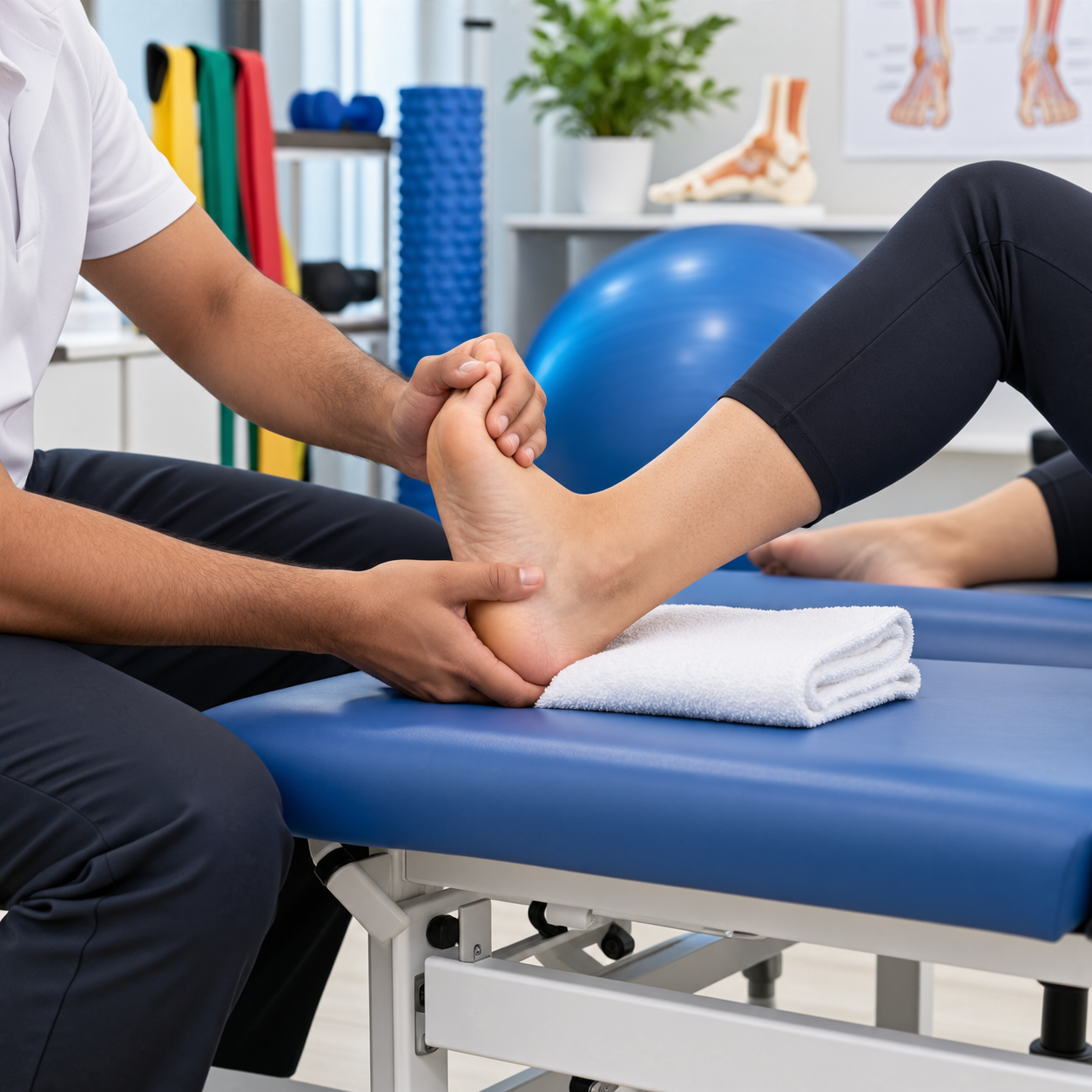
Sharp heel pain during the first few steps after waking is a familiar feature of plantar fasciitis. The discomfort may ease after moving for a while, then return following prolonged standing, walking, or exercise.
Plantar fasciitis physiotherapy in Rohini aims to reduce irritation while improving the foot and lower limb’s ability to tolerate load. Recovery usually requires more than simply resting until the pain settles.
Recognising the Typical Pattern
The plantar fascia is a strong band of tissue along the sole of the foot. It supports the arch and experiences repeated force during standing, walking, and running.
Common symptoms include:
- Pain under the heel
- Discomfort during the first morning steps
- Pain after sitting for a long period
- Symptoms after extended standing
- Increased discomfort following running or jumping
- Tenderness near the inner heel
Heel pain can also have other causes, so assessment is important before beginning treatment.
Factors That May Contribute
Plantar fasciitis may develop after a sudden increase in walking, running, or standing. Footwear changes, reduced ankle mobility, calf weakness, higher physical loads, and altered foot mechanics may also contribute.
For residents of Rohini who spend long hours standing at work or walking on hard surfaces, daily load can be an important part of the problem. Treatment should consider both exercise and the demands placed on the foot throughout the day.
A Step-by-Step Rehabilitation Approach
Early management may focus on reducing highly aggravating activities without stopping all movement. The physiotherapist may suggest temporarily modifying walking distance, running volume, or standing duration.
Rehabilitation may then include:
- Calf and foot mobility exercises
- Plantar fascia-specific stretching
- Calf strengthening
- Foot-muscle exercises
- Balance and lower-limb control
- Gradual return to walking or sport
The exact sequence depends on symptom severity and physical findings.
Footwear Requires Practical Evaluation
There is no single shoe that suits every person with heel pain. Footwear should be evaluated for fit, support, cushioning, condition, and suitability for the patient’s activities.
Frequently switching between supportive shoes and completely flat footwear may aggravate some cases. Temporary heel support or orthotic devices may help selected patients, but these decisions should be based on individual needs.
Shockwave Therapy May Be Considered in Persistent Cases
Extracorporeal shockwave therapy may be considered for some patients with persistent plantar fasciitis that has not responded adequately to an appropriate conservative programme. It uses acoustic energy directed towards the affected tissue.
Not everyone requires this treatment. The physiotherapist should consider symptom duration, diagnosis, contraindications, and previous rehabilitation before recommending it. Exercise and load management generally remain important even when shockwave therapy is used.
Avoid These Common Mistakes
People with heel pain often make changes that provide short-lived relief but do not address the underlying load problem.
Common mistakes include:
- Walking barefoot on hard floors despite increased pain
- Stretching aggressively into sharp discomfort
- Returning suddenly to long-distance running
- Relying only on pain-relief modalities
- Continuing worn-out footwear
- Stopping strengthening when symptoms begin to improve
Recovery can take time because the foot is loaded during most daily activities.
Back In Motion, Dr. Sajal Agarwal, Physiotherapist, offers plantar fasciitis assessment, exercise-based rehabilitation, and advanced physiotherapy options in Rohini, Delhi.
Plantar fasciitis physiotherapy in Rohini should provide patients with a clear plan for managing daily load and rebuilding strength. When treatment combines appropriate exercises, practical footwear advice, gradual activity progression, and selected modalities where suitable, patients can work towards more comfortable walking without depending solely on temporary relief.
Keywords