Recovering from an orthopaedic injury involves much more than waiting for pain to disappear. Bones, muscles, ligaments, tendons, and joints all need to regain strength, mobility, coordination, and function before a person can confidently return to everyday activities.
This is why many patients look for an Orthopaedic Physiotherapy Specialist in Rohini after fractures, surgeries, sports injuries, or chronic joint conditions.
What Is Orthopaedic Physiotherapy?
Orthopaedic physiotherapy focuses on restoring movement in people affected by injuries and conditions involving the musculoskeletal system.
Treatment commonly supports recovery from:
- Fractures
- Joint replacements
- Ligament injuries
- Tendon disorders
- Arthritis
- Muscle injuries
- Sports trauma
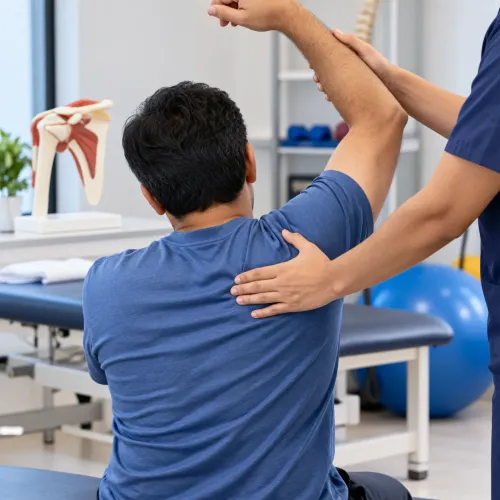
- Shoulder disorders
- Knee conditions
- Spinal problems
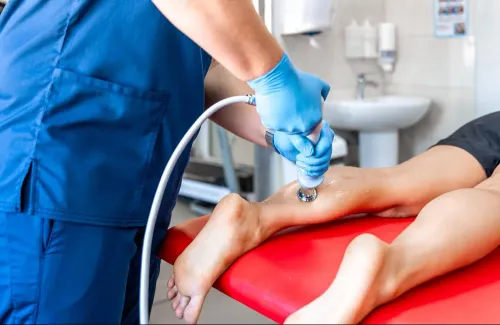
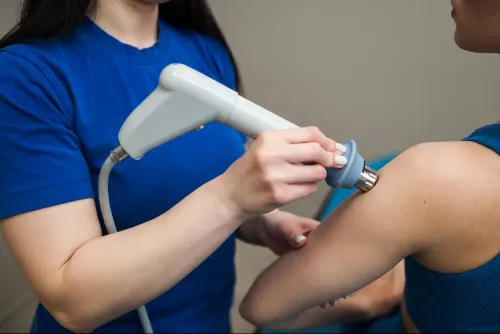
The approach combines pain management with progressive rehabilitation.
Why Rehabilitation Begins Early
Many people assume complete rest is the best solution after injury.
In reality, prolonged inactivity may contribute to:
- Muscle weakness
- Joint stiffness
- Reduced flexibility
- Poor circulation
- Balance problems
When medically appropriate, carefully supervised movement often promotes healthier recovery.
Individual Recovery Plans Matter
Every patient heals differently.
Factors influencing rehabilitation include:
- Type of injury
- Surgical procedure
- Age
- Bone health
- Activity level
- Medical history
- Occupational demands
Treatment plans should therefore be personalised rather than following a standard routine.
Key Stages of Rehabilitation
Orthopaedic rehabilitation generally progresses through several stages.
These include:
- Pain and swelling management.
- Restoring joint movement.
- Rebuilding muscle strength.
- Improving balance and coordination.
- Functional movement training.
- Return to work, sports, or daily activities.
Progress depends on clinical assessment rather than fixed timelines.
The Importance of Functional Recovery
Pain relief alone does not necessarily indicate complete healing.
Patients should also regain the ability to:
- Walk confidently
- Climb stairs
- Lift objects safely
- Sit comfortably
- Return to work
- Participate in recreational activities
Functional rehabilitation helps bridge the gap between symptom improvement and everyday independence.
Preventing Repeat Injuries
Many recurring injuries occur because people return to activity before regaining adequate strength and stability.
Physiotherapy helps reduce future risk through:
- Muscle strengthening
- Movement correction
- Balance training
- Joint stability exercises
- Education about safe activity progression
These strategies encourage safer long-term recovery.
Recovery After Orthopaedic Surgery
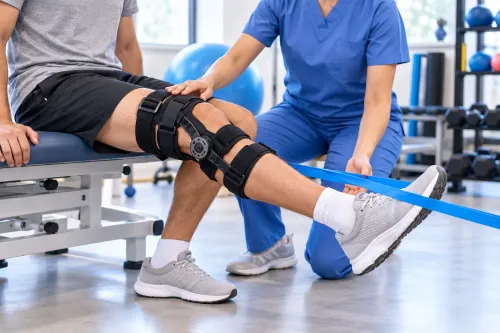
Patients recovering from procedures such as fracture fixation, ligament reconstruction, or joint replacement often benefit from structured rehabilitation.
Physiotherapy may assist with:
- Improving range of motion
- Walking training
- Muscle activation
- Scar mobility
- Functional strengthening
- Confidence during movement
Programmes are adjusted according to surgical recommendations.
Supporting Active Living in Rohini
People living in Rohini and nearby parts of Delhi often seek orthopaedic rehabilitation to return safely to work, exercise, and daily routines. Clinics such as Back In Motion – Dr. Sajal Agarwal, Physiotherapist emphasise comprehensive assessment, progressive exercise therapy, and patient education to support long-term recovery instead of focusing solely on temporary pain reduction.
Successful rehabilitation is measured not just by feeling better, but by moving better, performing daily activities with confidence, and reducing the likelihood of future injuries.
Keywords