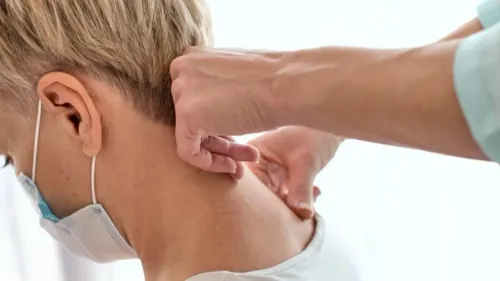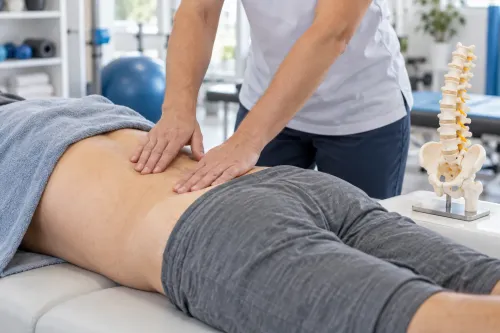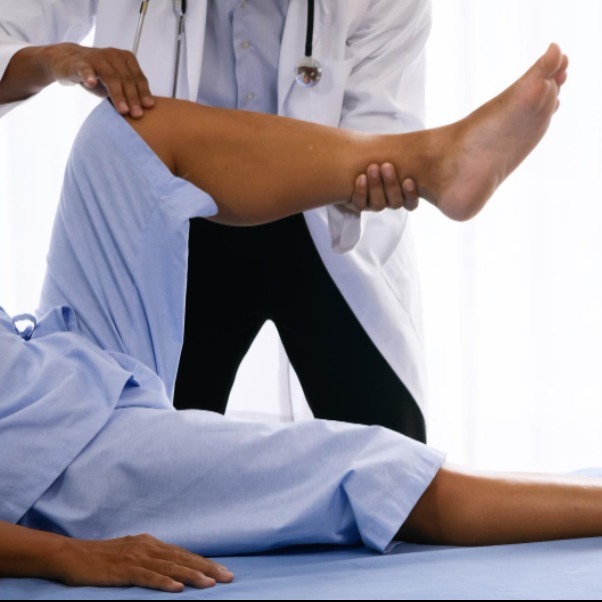
Joint pain can affect people at every stage of life. An athlete may develop knee pain after training, an office professional may experience shoulder stiffness, and an older adult may find walking or climbing stairs increasingly difficult.
Orthopaedic physiotherapy for joint pain in Rohini can help patients understand why movement has become painful and what can be done to improve function. The most appropriate plan depends on the affected joint, underlying condition, and individual goals.
Joint Pain Is Not One Diagnosis
Pain may arise from injury, arthritis, reduced mobility, muscular weakness, tendon problems, previous surgery, or repeated physical loading. Treating every painful joint with the same exercise routine is unlikely to produce reliable results.
The physiotherapist should determine:
- Where the pain is located
- Which movements aggravate it
- Whether swelling is present
- How long symptoms have continued
- Whether an injury occurred
- Which daily activities are restricted
- Whether the joint feels unstable or locks
This information helps shape the physical examination.
Assessment Looks Beyond the Painful Area
A painful knee may be influenced by hip strength, ankle movement, balance, or walking mechanics. Shoulder symptoms may relate to upper-back mobility and shoulder-blade control. Orthopaedic rehabilitation therefore considers the wider movement system.
The assessment may include joint range, muscle strength, functional tests, balance, and movement quality. Reports, X-rays, or surgical instructions may also be reviewed when available.
Treatment Options Should Be Combined Thoughtfully
A rehabilitation plan may involve therapeutic exercise, manual therapy, movement education, activity modification, and selected pain-relief modalities. The objective is not simply to make the joint feel better during the clinic session. It is to improve what the patient can do outside the clinic.
Common goals include:
- Walking more comfortably
- Using stairs safely
- Regaining shoulder reach
- Improving grip
- Returning to exercise
- Performing household activities
- Managing work-related physical demands
The programme should progress as these abilities improve.
Questions to Ask Before Beginning Treatment
Patients evaluating orthopaedic physiotherapy can ask practical questions:
- What is the likely source of my symptoms?
- Which findings are being treated?
- What can I safely do at home?
- How will my progress be measured?
- When should the plan be reviewed?
- Do I need medical imaging or specialist evaluation?
Clear answers help patients understand the purpose of rehabilitation.
Avoid Common Recovery Mistakes
Stopping all physical activity for an extended period may lead to weakness and reduced confidence. At the other extreme, repeatedly exercising through significant pain can irritate the condition.
Other mistakes include copying exercises from social media without an assessment, expecting one modality to correct every problem, and stopping rehabilitation immediately after pain decreases.
Pain relief and full recovery are not always the same. A joint may feel better before strength, balance, or endurance has returned.
Special Considerations for Older Adults
For elderly patients in Rohini, joint rehabilitation may also include walking practice, balance training, fall-risk reduction, and exercises related to getting up from a chair or using stairs. The plan should account for medical conditions, medication, and current physical tolerance.
Back In Motion, Dr. Sajal Agarwal, Physiotherapist, provides orthopaedic rehabilitation for joint pain, post-operative limitations, sports injuries, and mobility difficulties in Rohini, Delhi.
Orthopaedic physiotherapy for joint pain in Rohini should be selected according to assessment findings rather than a standard package. Patients are more likely to benefit when pain management is connected with progressive exercise, functional goals, regular reassessment, and practical guidance for daily life.
Keywords