Pain that limits everyday movement can make even simple activities difficult. Whether it is climbing stairs, lifting groceries, working at a desk, or returning to sports, persistent pain often affects quality of life. While surgery is necessary in some situations, many musculoskeletal conditions respond well to structured physiotherapy when diagnosed and treated appropriately.
People searching for the Best Physiotherapist in Rohini are often looking for safe, evidence-based treatment that focuses on restoring movement, reducing pain, and improving long-term function rather than simply masking symptoms.
Understanding the Role of Physiotherapy
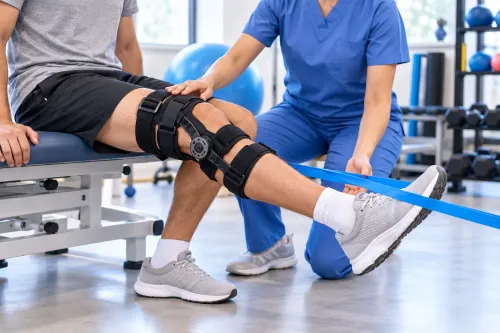
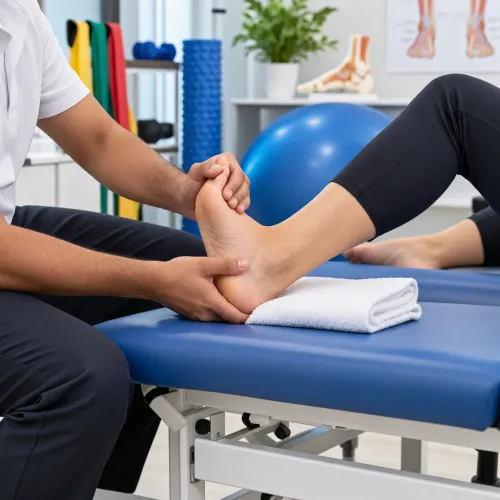
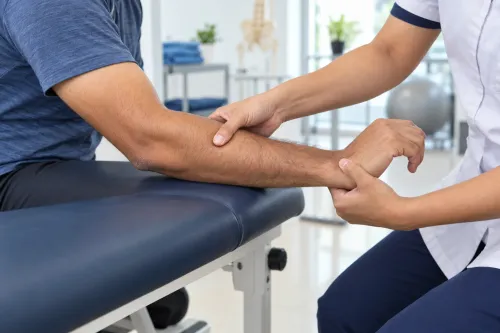
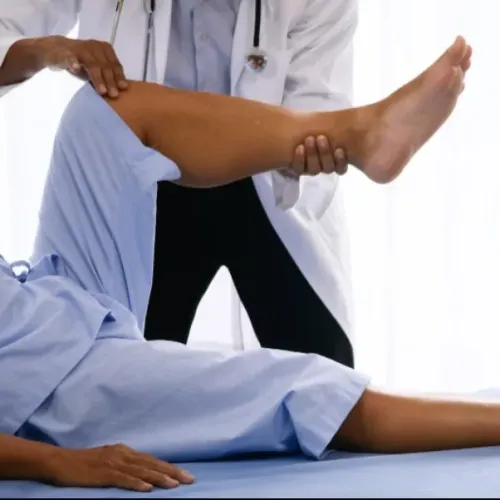
Physiotherapy is a healthcare discipline that helps people recover from injuries, surgeries, chronic pain, neurological conditions, and movement disorders. Instead of treating symptoms alone, physiotherapists identify the underlying cause of pain and design personalised rehabilitation programmes.
Treatment plans may include:
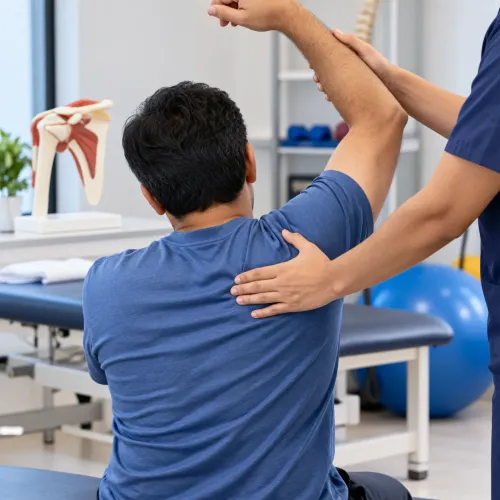
- Manual therapy
- Therapeutic exercises
- Joint mobilisation
- Muscle strengthening
- Flexibility training
- Balance and coordination exercises
- Posture correction
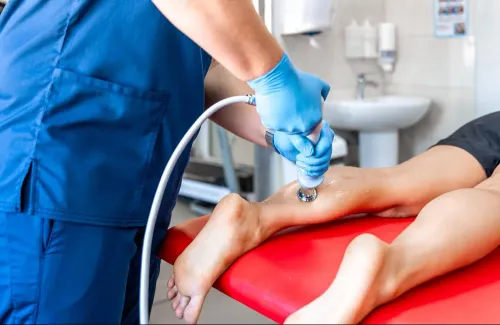
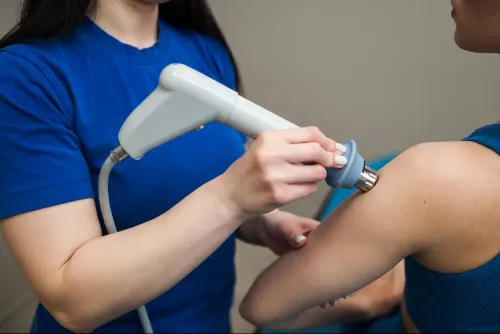
- Electrotherapy where clinically appropriate
The goal is to help patients move better, recover safely, and reduce the chances of recurring problems.
Conditions That Often Improve With Physiotherapy
Many people assume surgery is the only solution for persistent pain. In reality, several conditions can improve significantly with conservative rehabilitation.
Common examples include:
- Neck pain
- Lower back pain
- Shoulder stiffness
- Knee pain
- Arthritis
- Sports injuries
- Tendon inflammation
- Muscle strains
- Ligament injuries
- Postural disorders
- Sciatica
- Joint stiffness
Early intervention often prevents minor problems from becoming chronic conditions.
Why Accurate Assessment Matters
No two patients experience pain in the same way. Similar symptoms may have completely different causes.
For example, shoulder pain may result from:
- Rotator cuff injury
- Frozen shoulder
- Poor posture
- Cervical spine problems
- Muscle imbalance
Likewise, knee pain may be associated with cartilage wear, ligament injury, muscle weakness, or movement dysfunction.
A detailed assessment helps identify the actual source of pain before beginning rehabilitation.
Benefits Beyond Pain Relief
Many people seek treatment only because of pain. However, physiotherapy provides benefits that extend much further.
Patients often experience improvements in:
- Joint mobility
- Muscle strength
- Walking ability
- Balance
- Flexibility
- Functional independence
- Athletic performance
- Workplace comfort
The objective is to restore normal movement patterns so daily activities become easier and more comfortable.
Why Exercise Plays a Central Role
Hands-on treatment can reduce pain, but long-term recovery usually depends on movement.
Individualised exercise programmes help:
- Strengthen weak muscles
- Improve joint stability
- Restore flexibility
- Enhance coordination
- Improve endurance
- Prevent repeat injuries
Exercises are selected according to each patient's condition, age, occupation, and recovery goals.
The Importance of Correct Posture
Modern lifestyles involve prolonged sitting, extensive computer use, and frequent mobile phone usage. These habits place continuous stress on the neck, shoulders, and lower back.
Poor posture can contribute to:
- Chronic neck pain
- Upper back stiffness
- Rounded shoulders
- Lower back discomfort
- Headaches
Postural correction combined with strengthening exercises helps reduce unnecessary strain on muscles and joints.
Recovery Is Different for Every Patient
Several factors influence rehabilitation outcomes.
These include:
- Severity of injury
- Age
- General health
- Activity level
- Commitment to home exercises
- Consistency of treatment
Recovery timelines therefore vary between individuals.
When Should You Consult a Physiotherapist?
Consider seeking professional evaluation if you experience:
- Pain lasting more than two weeks
- Difficulty walking comfortably
- Reduced joint movement
- Sports injuries
- Recurrent muscle strains
- Pain after surgery
- Difficulty performing routine activities
- Persistent stiffness after rest
Early management often prevents long-term complications.
Supporting Recovery in Rohini and Nearby Areas
Residents of Rohini and neighbouring parts of Delhi increasingly recognise the value of non-surgical rehabilitation for musculoskeletal conditions. Clinics such as Back In Motion – Dr. Sajal Agarwal, Physiotherapist focus on structured assessment and evidence-based rehabilitation tailored to individual recovery needs.
Whether recovering from an injury, managing chronic pain, or aiming to improve mobility, physiotherapy offers a practical approach that addresses both symptoms and the underlying causes of movement limitations.
Keywords