Shoulder pain can make everyday tasks surprisingly difficult. Reaching for a shelf, fastening a seat belt, getting dressed, or sleeping comfortably may become challenging when the shoulder loses its normal range of motion. Although many people assume all shoulder pain is the same, frozen shoulder and general joint pain can have different causes and require different treatment approaches.
People searching for Frozen Shoulder and Joint Pain Treatment in Pitampura often want to know whether their symptoms are temporary or if professional treatment is necessary.
Understanding Frozen Shoulder
Frozen shoulder, also known as adhesive capsulitis, develops when the connective tissue surrounding the shoulder joint becomes inflamed and stiff. Over time, the capsule tightens, limiting movement and causing pain.
The condition generally progresses through three stages:
- Painful stage
- Frozen stage
- Recovery stage
Each phase may last several weeks or even months, making early assessment important.
Common Symptoms
Symptoms often develop gradually and worsen over time.
These may include:
- Pain while lifting the arm
- Difficulty reaching overhead
- Stiffness during daily activities
- Pain while sleeping on the affected side
- Limited shoulder rotation
- Difficulty wearing clothes or combing hair
Unlike minor muscle soreness, frozen shoulder usually causes a noticeable reduction in movement.
Why Joint Pain Should Not Be Ignored
Joint pain is not limited to older adults. Younger individuals may experience discomfort because of sports injuries, repetitive work, poor posture, arthritis, or previous trauma.
Persistent joint pain can affect:
- Shoulders
- Knees
- Hips
- Elbows
- Wrists
- Ankles
Ignoring symptoms may lead to reduced mobility and muscle weakness over time.
Conditions That May Mimic Frozen Shoulder
Several problems can produce similar symptoms, including:
- Rotator cuff injuries
- Shoulder impingement
- Arthritis
- Tendon inflammation
- Cervical spine disorders
A detailed physical examination helps determine the actual cause before beginning treatment.
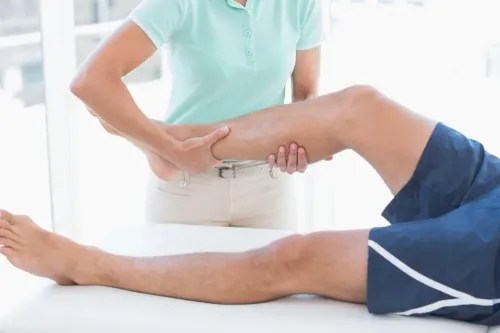
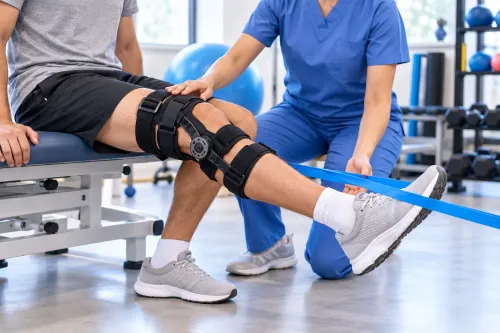
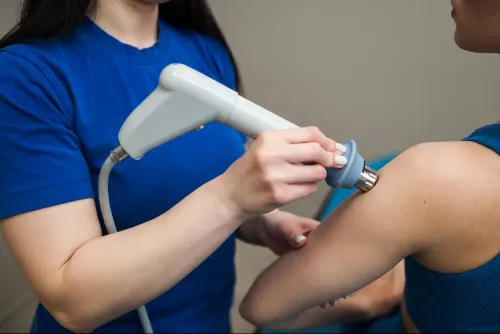
How Physiotherapy Supports Recovery
Treatment depends on the stage of the condition and the patient's functional limitations.
A rehabilitation programme may include:
- Gentle mobility exercises
- Manual therapy
- Joint mobilisation
- Stretching techniques
- Muscle strengthening
- Pain-relieving modalities where appropriate
The aim is to gradually restore movement without increasing irritation.
Everyday Habits That Support Recovery
Recovery also depends on daily activities outside the clinic.
Helpful practices include:
- Performing prescribed exercises consistently
- Avoiding complete immobilisation unless advised
- Maintaining good posture
- Using ergonomic workstations
- Taking regular movement breaks
- Following activity modifications recommended by the physiotherapist
These habits complement clinical treatment and encourage steady improvement.
Can Frozen Shoulder Heal Without Treatment?
Some people experience gradual improvement over time, but recovery may take many months or even years without intervention. Delayed rehabilitation can prolong stiffness and reduce shoulder function.
Early physiotherapy often helps improve mobility more efficiently while supporting comfortable movement during recovery.
When to Seek Professional Assessment
Arrange an evaluation if you notice:
- Shoulder stiffness lasting several weeks
- Pain interfering with sleep
- Difficulty raising your arm
- Limited range of motion
- Joint pain affecting daily activities
- Reduced shoulder function after an injury
Prompt assessment helps identify the underlying issue before movement becomes increasingly restricted.
Physiotherapy Care in Pitampura
Residents of Pitampura and nearby areas frequently seek physiotherapy to improve shoulder mobility and manage joint pain without unnecessary dependence on medication. Back In Motion – Dr. Sajal Agarwal, Physiotherapist provides personalised rehabilitation programmes designed to improve joint function while addressing the specific factors contributing to each patient's symptoms.
Keywords