Modern physiotherapy continues to evolve with technologies designed to complement exercise-based rehabilitation. One emerging treatment option is Electromagnetic Transduction Therapy (EMTT), which may be incorporated into rehabilitation plans for selected musculoskeletal conditions.
Patients searching for Electromagnetic Transduction Therapy in Rohini often want to understand how this treatment works and whether it can support recovery from persistent pain or injury.
What Is Electromagnetic Transduction Therapy?
EMTT uses high-energy electromagnetic pulses to stimulate biological processes within musculoskeletal tissues.
Unlike invasive procedures, EMTT is delivered externally using specialised equipment and forms part of a broader physiotherapy programme.
It is not intended to replace rehabilitation exercises but to complement them where clinically appropriate.
How Does EMTT Support Rehabilitation?
Research suggests electromagnetic energy may influence cellular activity involved in tissue repair and recovery.
Potential rehabilitation goals include:
- Supporting tissue healing
- Managing pain
- Reducing inflammation
- Improving functional recovery
- Assisting musculoskeletal rehabilitation
The exact treatment plan depends on the patient's diagnosis.
Conditions Where EMTT May Be Considered
Following professional assessment, EMTT may be used alongside physiotherapy for conditions such as:
- Chronic joint pain
- Tendon disorders
- Sports injuries
- Muscle injuries
- Shoulder pain
- Knee pain
- Lower back pain
- Degenerative musculoskeletal conditions
Every patient requires an individual evaluation before treatment is recommended.
What Happens During Treatment?
During an EMTT session:
- The patient remains comfortably positioned.
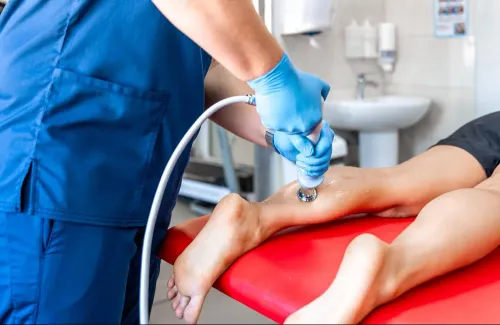
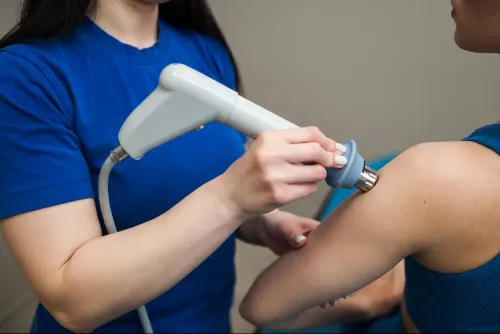
- A treatment applicator is placed over the affected area.
- Electromagnetic pulses are delivered for a prescribed duration.
- The procedure is non-invasive.
- Patients generally resume routine activities immediately after treatment unless advised otherwise.
Session length varies according to the condition being treated.
Combining Technology With Exercise
Successful rehabilitation rarely depends on technology alone.
EMTT is commonly combined with:
- Therapeutic exercises
- Manual therapy
- Strength training
- Flexibility exercises
- Functional rehabilitation
- Postural correction
Movement remains essential for restoring long-term function.
Is EMTT Suitable for Everyone?
Like many medical technologies, EMTT has specific indications and contraindications.
A physiotherapist considers:
- Medical history
- Current diagnosis
- Existing implants
- General health
- Rehabilitation goals
This assessment ensures treatment is appropriate and safe.
Choosing Evidence-Based Rehabilitation
When considering advanced technologies, patients should look for providers that integrate modern equipment with comprehensive clinical assessment rather than relying solely on devices.
Residents across Rohini and surrounding areas increasingly seek rehabilitation that combines personalised exercise therapy with evidence-based innovations. Back In Motion – Dr. Sajal Agarwal, Physiotherapist incorporates advanced treatment approaches within structured rehabilitation programmes, helping patients improve movement, manage pain, and work toward sustainable recovery through individually planned physiotherapy.
Keywords