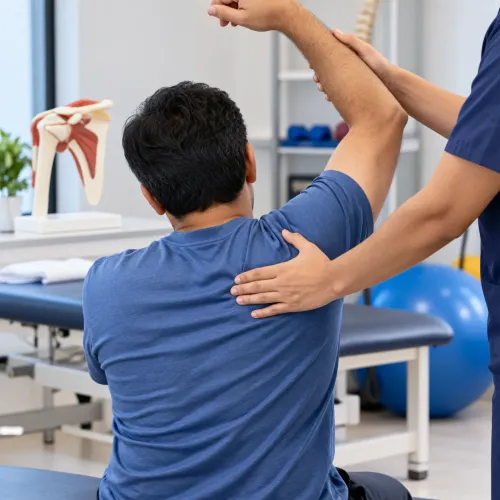
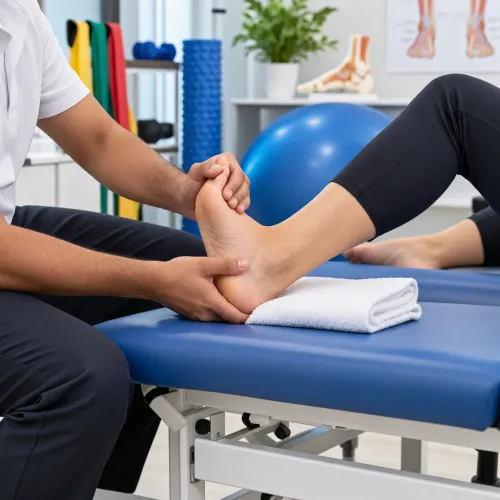
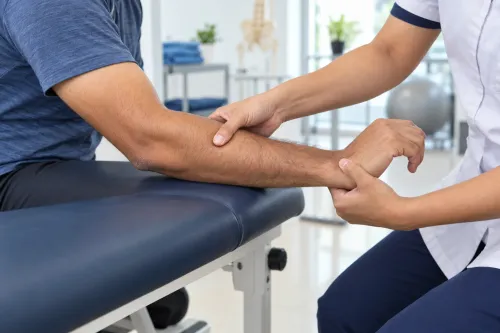
Advances in physiotherapy have introduced treatment options that complement exercise-based rehabilitation. One such innovation is Class 4 Laser Therapy, which is increasingly used alongside conventional physiotherapy for selected musculoskeletal conditions.
Patients searching for Class 4 Laser Therapy in Rohini are often interested in understanding how this technology works, when it may be recommended, and whether it fits into a broader rehabilitation plan.
What Is Class 4 Laser Therapy?
Class 4 Laser Therapy uses specific wavelengths of light energy to reach deeper tissues beneath the skin. Unlike surgical lasers, therapeutic lasers are designed to support tissue recovery and reduce pain as part of a structured treatment programme.
The treatment is non-invasive and performed by trained healthcare professionals.
How Does It Work?
Laser energy interacts with cells involved in tissue repair. Research suggests it may help improve cellular activity and circulation within treated tissues.
Potential effects include:
- Reduced inflammation
- Improved blood flow
- Enhanced tissue healing
- Pain modulation
- Support for muscle recovery
It is generally used alongside active rehabilitation rather than replacing exercise.
Conditions Where It May Be Used
Depending on clinical assessment, laser therapy may support rehabilitation for:
- Tendon injuries
- Muscle strains
- Ligament sprains
- Tennis elbow
- Plantar fasciitis
- Shoulder pain
- Knee pain
- Neck pain
- Lower back pain
- Sports injuries
Not every patient requires laser therapy, making individual assessment essential.
What Happens During a Session?
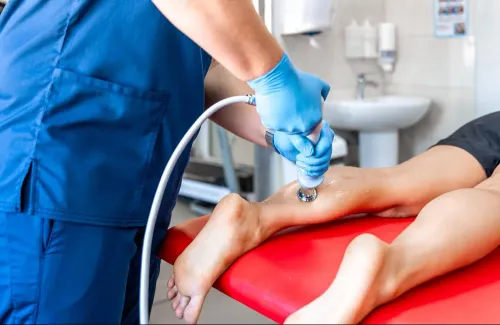
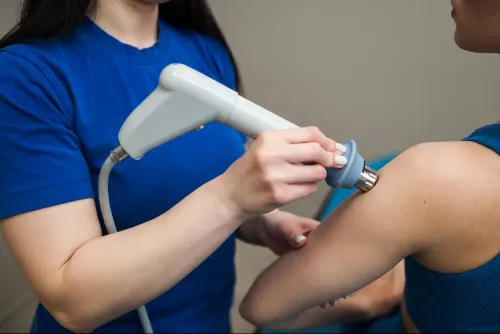
A handheld device is moved over the affected area while laser energy is delivered for a predetermined duration.
Patients typically experience:
- Comfortable treatment
- Mild warmth in some cases
- No incisions
- No injections
- Minimal disruption to daily activities
Session duration varies depending on the treatment area.
Benefits Within a Physiotherapy Programme
Laser therapy is most effective when integrated into a comprehensive rehabilitation strategy.
It may be combined with:
- Manual therapy
- Strengthening exercises
- Stretching
- Functional movement training
- Postural correction
- Sports rehabilitation
Addressing movement dysfunction remains essential for long-term improvement.
Is Laser Therapy Safe?
When administered by qualified professionals following appropriate clinical guidelines, Class 4 Laser Therapy is generally considered safe for suitable patients.
However, treatment may not be appropriate in certain situations, including specific medical conditions or areas where laser application is contraindicated.
A physiotherapist will review medical history before recommending treatment.
Expectations During Recovery
Some patients notice symptom improvement after only a few sessions, while others require a longer rehabilitation programme depending on the condition being treated.
Recovery depends on:
- Severity of injury
- Tissue involved
- Overall health
- Treatment consistency
- Home exercise compliance
Technology alone cannot replace active participation in rehabilitation.
Choosing Advanced Physiotherapy Care
Modern physiotherapy increasingly combines evidence-based technology with functional rehabilitation. In Rohini, Back In Motion – Dr. Sajal Agarwal, Physiotherapist integrates advanced treatment options with personalised exercise programmes, ensuring that patients receive comprehensive care focused on both symptom relief and long-term movement restoration.
Keywords